Welcome

Welcome
John William Tuohy lives in Washington DC

Writing facial expressions

 Angry + Frustrated ]

  • Red face
  • Tensing up jaw/body
  • Clenching fists
  • Gritting teeth
  • Stomped feet
  • Rolling eyes
  • Crossing arms
  • Kick/Hit something
  • Eyebrows furl
  • Face crunches up
  • Tight lips
  • Narrow eyes

[ Happy + Excited ]

  • Laugh/Giggle
  • Smile from ear to ear
  • High tone in voice
  • Smiling/Grinning while talking
  • Heart Pounding
  • Clapping
  • Breathing deeply
  • Squeal/Scream
  • Talking fast
  • Contentedly Sigh
  • Tilted head
  • Hand clasped over mouth

[Bored + Tired ]

  • Pace back and forth
  • Sigh loudly
  • Blank face
  • Play with fingers
  • Staring off into space
  • Yawning
  • Fidgeting around
  • Leaning head on hands
  • Rubbing eyes
  • Droopy eyes
  • Dark circles under eyes
  • Complaining

[Sad + Scared]

  • Trembling lips/body
  • Tears in eyes
  • Bite Nails
  • Curl up/tuck knees to chest
  • Bite nails
  • Eyes burn/turn red
  • Stop breathing OR breathe fast
  • Lose appetite
  • Frowning
  • Darting eyes
  • Blinking quick or not at all
  • Pounding heart


HOW TO GIVE PERSONALITY TO A CHARACTER


Giving personality to a character is an essential part of character development in storytelling, whether you're writing a novel, screenplay, or creating a character for a role-playing game. Here are some steps and considerations to help you give personality to your character:

  1. Understand Their Backstory:

Start by creating a detailed backstory for your character. Where were they born? What were their childhood experiences like? What significant events have shaped their life? Understanding their past can help you determine their motivations, fears, and desires.

2. Define Their Goals and Motivations:

Characters often become more interesting when they have clear goals and motivations. What does your character want? It could be something tangible like a job or a romantic relationship, or it could be an abstract desire like happiness or freedom.

3. Determine Their Strengths and Weaknesses:

No one is perfect, and characters should reflect this. Identify your character's strengths and weaknesses. This can include physical abilities, intellectual skills, and personality traits. Flaws can make characters relatable and three-dimensional.

4. Consider Their Personality Traits:

Think about your character's personality traits. Are they introverted or extroverted? Shy or outgoing? Kind or selfish? Create a list of traits that describe their character. You can use personality frameworks like the Myers-Briggs Type Indicator or the Big Five Personality Traits as a starting point.

5. Give Them Quirks and Habits:

Quirks and habits can make a character memorable. Do they have a specific way of speaking, a unique fashion style, or an unusual hobby? These details can help bring your character to life.

6. Explore Their Relationships:

Characters don't exist in isolation. Consider how your character interacts with others. What are their relationships like with family, friends, and enemies? These relationships can reveal a lot about their personality.

7. Show, Don't Tell:

Instead of explicitly telling the audience about your character's personality, show it through their actions, dialogue, and decisions. Let the reader or viewer infer their traits based on their behavior.

8. Create Internal Conflict:

Characters with internal conflicts are often more engaging. What inner struggles does your character face? These can be related to their goals, values, or past experiences.

9. Use Character Arcs:

Consider how your character will change or grow throughout the story. Character development is often about how a character evolves in response to the events and challenges they face.

10. Seek Inspiration:

Draw inspiration from real people, other fictional characters, or even historical figures. Study how people with similar traits and backgrounds behave to inform your character's actions and reactions.

11. Write Dialogue and Inner Monologues:

Writing dialogue and inner monologues from your character's perspective can help you get inside their head and understand their thought processes and emotions.

12. Consider the Setting:

The setting of your story can influence your character's personality. For example, a character who grows up in a war-torn environment may have a different personality than one raised in a peaceful, affluent society.

13. Revise and Refine:

Don't be afraid to revise and refine your character as you write and develop your story. Characters can evolve and change as the narrative unfolds.

Remember that well-developed characters are dynamic and multi-faceted. They should feel like real people with strengths, weaknesses, and complexities. As you write and develop your character, put yourself in their shoes and think about how they would react to various situations. This will help you create a compelling and believable personality for your character.


- Steven Pinker, The Sense of Style: The Thinking Person’s Guide to Writing in the 21st Century


Good writers are avid readers. They have absorbed a vast inventory of words, idioms, constructions, tropes, and rhetorical tricks, and with them a sensitivity to how they mesh and how they clash. This is the elusive “ear” of a skilled writer—the tacit sense of style which every honest stylebook, echoing Wilde, confesses cannot be explicitly taught.


Writing physical reactions


Physical Reactions

  • have sweat beading/breaking out on one's forehead
  • have one's heart in one's mouth (or throat)
  • have one's heart pounding (or pulse racing)
  • butterflies in one's stomach
  • hand feeling clammy
  • knees bouncing
  • pacing back and forth
  • tearing up due to embarassment (wanting to cry)
  • Shift their weight from one foot to the other
  • Sway slightly where they are standing
  • Fidget with their hair, clothes, nails, or something they’re holding
  • Glance around the room or refuse to make eye contact with someone
  • Chew on their lips or nails
  • Hum quietly to themself
  • Tap their fingers on their arm, the wall, or a table
  • Wrap their arms around themself
  • Cross their arms or legs while seated
  • Pick at their lips or cover their mouth
  • Rub their own neck or shoulder
  • Sigh often
  • Sit with their knees up near their chest, or lay in the fetal position
  • Look stiff and uncomfortable
  • Check over their shoulder often, or glance around the room
  • Cough or clear their throat often
  • A pounding heartbeat, or the feeling that their heartbeat is in their head
  • Accelerated or heavy breathing
  • A tingling sensation in their fingers, hands, or legs
  • A rush of energy (which would suddenly leave them afterward, making them even more tired than usual)
  • Dizziness
  • Tightened muscles

Descriptors

  • fumbled
  • blushed
  • winced
  • fidgeted
  • cringed
  • stuttered
  • giggled
  • afluttered
  • agitated
  • robotic
  • hesitant
  • bothered
  • distracted
  • edgy
  • clumsily
  • awkwardly
  • distractedly
  • flustered
  • frantically
  • frayed
  • hypertense
  • nervy
  • jittery
  • jumpy
  • intimidated
  • paranoid
  • perturbed
  • rattled
  • queasiness
  • restive
  • restless
  • skittery
  • shudder
  • skittish
  • strung up
  • tenterhooks
  • tight
  • stressy
  • uneasy
  • unquiet
  • twitchy
  • unsettled
  • uptight
  • unrelaxed

Idioms

  • be at your wit's ends
  • be bricking it
  • be ill at ease
  • be on pins and needles
  • be under the gun
  • get in a sweat
  • have all the cares of the world on your shoulders
  • have kittens
  • like a cat on a hot tin roof
  • sweat bullets


Remember this...

 To write an engaging story, actions must have consequences.


Writers' resources


sick of using "very _____" ? : https://www.losethevery.com/

want to simplify your writing ? : https://hemingwayapp.com/

writing buddies / motivation ? : https://nanowrimo.org

word you're looking for but don't know ? : https://www.onelook.com/thesaurus/

need a fantasy name ? : https://www.fantasynamegenerators.com/

need a fantasy name ? : https://nameberry.com/

want a name with meaning ? : https://www.behindthename.com/

who wants a map maker! : https://inkarnate.com/

story building / dnd ? : https://www.worldanvil.com/

need some minimalistic writing time ? : https://zenpen.io/

running out of ideas ? : https://blog.reedsy.com/creative-writing-prompts/

setting a goal ? how about 3 pages / day ? : https://new.750words.com/

what food did they eat ? : https://www.foodtimeline.org/

questions on diversity within writing ? : https://writingwithcolor.tumblr.com/

now what was that colour called ? : https://ingridsundberg.com/2014/02/04/the-color-thesaurus/

want more? : https://www.tumblr.com/blog/lyralit :]


Show, don't tell:


anticipation - bouncing legs - darting eyes - breathing deeply - useless / mindless tasks - eyes on the clock - checking and re-checking


frustration - grumbling - heavy footsteps - hot flush - narrowed eyes - pointing fingers - pacing / stomping


sadness - eyes filling up with tears - blinking quickly - hiccuped breaths - face turned away - red / burning cheeks - short sentences with gulps


happiness - smiling / cheeks hurting - animated - chest hurts from laughing - rapid movements - eye contact - quick speaking


boredom - complaining - sighing - grumbling - pacing - leg bouncing - picking at nails


fear - quick heartbeat - shaking / clammy hands - pinching self - tuck away - closing eyes - clenched hands


disappointment - no eye contact - hard swallow - clenched hands - tears, occasionally - mhm-hmm


tiredness - spacing out - eyes closing - nodding head absently - long sighs - no eye contact - grim smile


confidence - prolonged eye contact - appreciates instead of apologizing - active listening - shoulders back - micro reactions


When you're writing


Unknown, I;m fairly certain its a photo, not a painting.


Favrile glass vase. 1893 - 1896 tiffany


I absolutley love this kid


"Experience has taught me

 "Experience has taught me that it is wrong and cruel to suspend judgment, that non-judgmentalism is at best indifference to the suffering of others, at worst a disguised form of sadism. How can one respect people as members of the human race unless one holds them to a standard of conduct and truthfulness? How can people learn from experience unless they are told that they can and should change? One doesn't demand of laboratory mice that they do better: but man is not a mouse, and I can think of no more contemptuous way of treating people than to ascribe to them no more responsibility than such mice.”

Theodore Dalrymple (1949-) English psychiatrist and cultural critic.

To a literate reader,

 To a literate reader, a crisp sentence, an arresting metaphor, a witty aside, an elegant turn of phrase are among life’s greatest pleasures.

- Steven Pinker, The Sense of Style: The Thinking Person’s Guide to Writing in the 21st Century


The main Writing in Progress


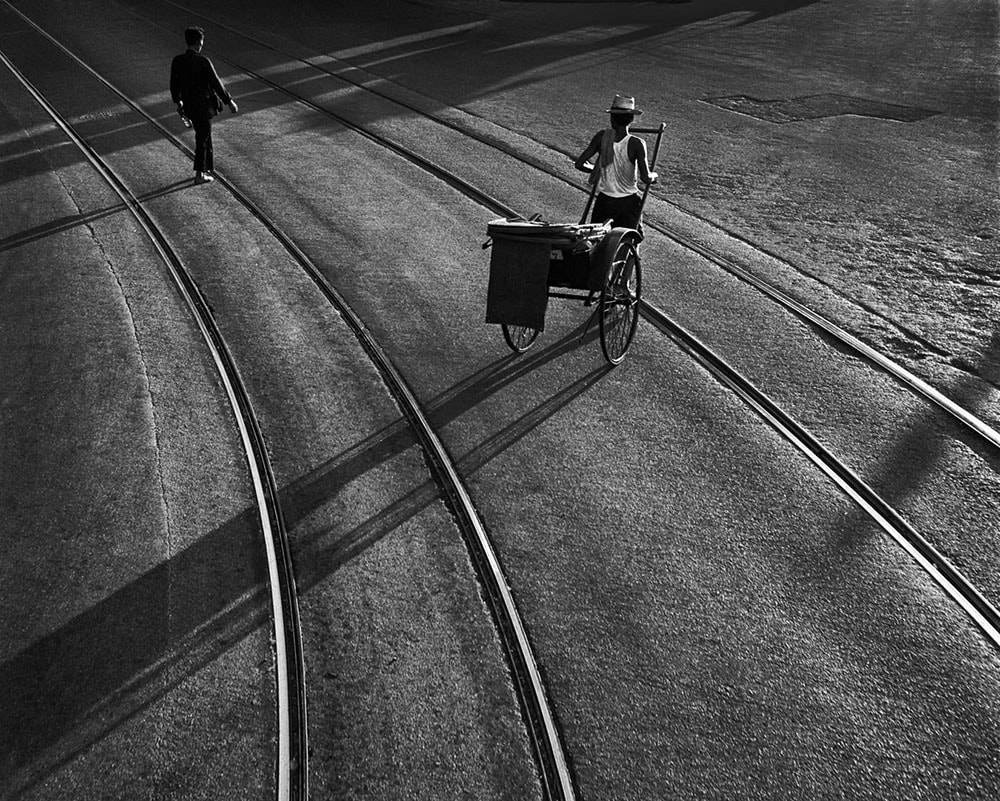
I love B&W

Vivian Maier. Chicago, June 19, 1961.


Federico Patellani. Italy (Sardegna, Barbagia), 1962.


Robert Frank. New York City. 1948

What is success?

To laugh often and much; to win the respect of intelligent people and the affection of children; to earn the appreciation of honest critics and endure the betrayal of false friends; to appreciate the beauty; to find the best in others; to leave the world a bit better, whether by a healthy child, a garden patch or a redeemed social condition; to know even one life has breathed easier because you have lived. This is to have succeeded! ~Ralph Waldo Emerson