Everyone is attracted to those who
want them to grow and become better than they are. So encourage the people around
you to grow and be happy when they do grow. Take note of it and tell them you
are proud of them. Wouldn't you want the same for yourself?
Welcome

John William Tuohy lives in Washington DC
Lesson for a hapy and fulfilled life
Aspire in your life to be a
giver. Aspire to be a person who gives inspiration, encouraging words, love,
warmth and strength. It’s not an easy thing to be but it is an important thing
to be because there are not enough people like that on our planet that is
overrun with critics.
Following Fitzgerald: F Scott Fitzgerald stories published uncensored fo...
Following Fitzgerald: F Scott Fitzgerald stories published uncensored fo...: Sexual innuendo, drug references and antisemitic slurs removed by newspaper editors restored in new edition of Taps at Reveille From ...

Lessons for a happy life
You know you've matured when someone hurts you without cause and instead of getting angry you try to understand their situation.





Lost

“We construct a narrative for ourselves, and that’s the
thread that we follow from one day to the next. People who disintegrate as
personalities are the ones who lose that thread” Paul Auster


By seeking and blundering we learn.
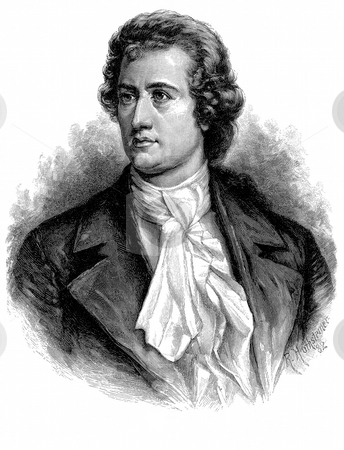
By seeking and blundering we
learn.
Johann Wolfgang Von Goethe, noted smart person
"Filch"
"Filch" derives from the Middle English word "filchen" ("to attack" or "to steal") and perhaps from Old English "gefylce" ("band of men, troop, army"). As a noun, "filch" once referred to a hooked staff used by thieves to snatch articles out of windows and from similar places, but this use is now obsolete.


Words

Behest first appeared
in 12th century Old English as "behǽs," which is formed from the
prefix "be-" and the Old English verb "hātan" ("to command"
or "to promise"). While "behest" was originally used only
in the sense of "promise," it acquired the additional sense of
"command" among speakers of Middle English. Among contemporary
English speakers, "behest" is no longer used in the sense of "promise"
but rather denotes an authoritative or urgent request or command. Old English
"hātan" also gave English the now-archaic words "hest"
(meaning "command") and "hight" ("being called or
named").


Words and stuff

Ruck: From Old Norse hrukka (wrinkle, fold). Ultimately from the Indo-European root sker- (to turn or bend), which is also the source of ranch, rank, shrink, circle, circa, crisp, corolla, search, ring, curb, ridge, curve, corolla, and coronary.
"Writhe"
wound its way to English from the Old English verb "wrīthan" ("to twist") and is
akin to the Old English verb "wrigian" ("to turn or go").
"Wrigian" gave us our words "wriggle," "awry,"
and "wry."


Subscribe to:
Posts (Atom)